The Rise of Wellness-Based Recovery: Hyperbaric Chamber Therapy Explained
Recovery is becoming a bigger part of the healthcare conversation. Patients are not only asking what happens during a procedure. They are also asking how to prepare, how to heal well, how to support wound recovery, and which treatments may complement standard medical care afterward. This shift has helped bring greater attention to wellness-based recovery, an approach that considers healing as a coordinated process rather than a single stage following treatment.
Rest, nutrition, hydration, safe movement, wound care, medical follow-up, stress management, and selected recovery therapies may all play a role depending on the patient and procedure. Within that conversation, hyperbaric chamber therapy has become an increasingly visible option for people researching post-surgical recovery, wound healing, tissue oxygenation, and advanced recovery support.
Hyperbaric oxygen therapy, commonly called HBOT, is not simply a wellness trend. It is an established medical treatment for specific conditions and is also being researched in several expanding recovery applications. For patients searching for hyperbaric chamber therapy, understanding the difference between medically recognized uses, emerging applications, and wellness benefits are essential.
What Is Wellness-Based Recovery?
Wellness-based recovery is not a single treatment. It is a more comprehensive way of thinking about what the body needs before, during, and after a medical procedure, injury, or period of physical stress.
A well-designed recovery plan may consider appropriate medical follow-up, wound care, nutrition, hydration, sleep, safe movement, rehabilitation, swelling management, circulation, tissue oxygenation, and avoidance of nicotine or other factors that can interfere with healing. Selected treatments may also be considered when they are appropriate for the patient’s medical condition and recovery goals.
The purpose is not to replace conventional medical care with wellness services. The more responsible model is integration, where standard medical treatment remains the foundation and additional therapies are evaluated according to evidence, safety, individual need, and overall treatment goals.
This broader recovery philosophy aligns naturally with the growing interest in hyperbaric chamber treatment, particularly for patients focused on surgical healing, wound recovery, and tissue health.
What Is Hyperbaric Chamber Therapy?
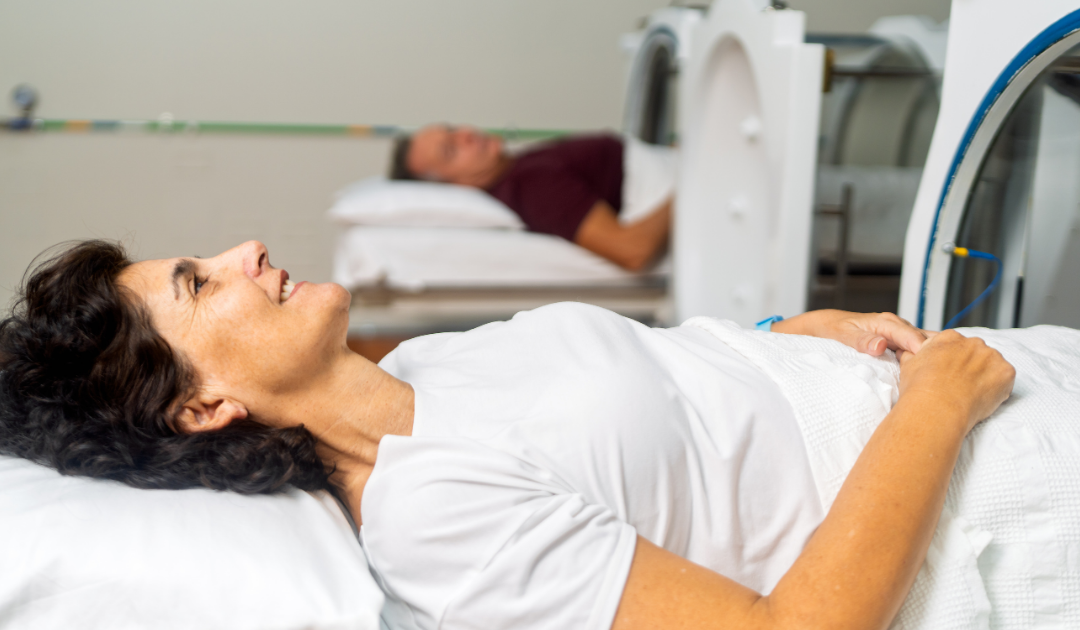
Hyperbaric chamber therapy involves breathing oxygen inside a specially designed chamber where atmospheric pressure is increased above normal levels. The pressurized environment allows the body to carry more dissolved oxygen than it can under ordinary atmospheric conditions.
At increased pressure, the lungs can take in additional oxygen, which can then be transported throughout the body, including through oxygen dissolved in blood plasma. The goal is to increase oxygen availability in tissues affected by disease, injury, reduced blood flow, or other healing challenges.
Mayo Clinic explains that hyperbaric oxygen therapy is used to increase oxygen delivery to damaged tissues and may support processes such as new blood vessel formation, tissue repair, and immune system activity. Patients searching for HBOT in Las Vegas, hyperbaric oxygen therapy, or hyperbaric chamber treatment for recovery are therefore exploring a therapy with established medical applications as well as emerging areas of research.
Why Oxygen Is So Important to Recovery
Oxygen plays a central role in tissue repair. After surgery, trauma, or injury, cells need oxygen and nutrients to rebuild damaged tissue, support immune activity, produce collagen, and develop new blood vessels.
The challenge is that injured or recently operated tissue may not always receive oxygen as efficiently as healthy tissue. Swelling can increase pressure within tissues, damage to small blood vessels can affect circulation, and conditions such as diabetes, vascular disease, radiation damage, infection, smoking history, or significant tissue trauma can make healing more complicated.
A hyperbaric chamber treatment does not simply expose a patient to more oxygen at normal pressure. The increased atmospheric pressure changes how much oxygen the body can carry, which is why HBOT can have physiological effects that ordinary supplemental oxygen cannot reproduce.
Why Hyperbaric Chamber Therapy Fits the Wellness-Based Recovery Model
The growing recovery conversation increasingly focuses on supporting the body throughout the healing process rather than simply waiting for symptoms to resolve. Hyperbaric chamber therapy fits into this model because it targets a specific biological factor that can influence healing: oxygen availability.
For an appropriate patient, HBOT may be considered alongside wound care, proper nutrition, hydration, adequate rest, compression when prescribed, physical rehabilitation, and medical monitoring. It should complement these elements rather than replace them.
This distinction matters because the word “wellness” can sometimes suggest that a treatment is beneficial for everyone. HBOT is different because its potential value depends heavily on why it is being used and what condition is being treated.
An uncomplicated surgical patient may have very different needs from someone experiencing a nonhealing wound, compromised flap, radiation-damaged tissue, serious infection, or impaired circulation. A personalized evaluation helps determine whether hyperbaric oxygen therapy for recovery is appropriate.
Hyperbaric Oxygen Therapy and Post-Surgical Recovery
One of the fastest-growing areas of interest is hyperbaric oxygen therapy after surgery. Patients are increasingly researching HBOT after reconstructive procedures, orthopedic surgery, trauma-related operations, dental or oral surgery, vascular procedures, and cosmetic surgery.
Recent medical literature reflects this broader interest. Research has examined HBOT across wounds, grafts, flaps, infections, reconstructive applications, and post-surgical healing, with encouraging findings in selected situations. However, study designs and protocols vary, which means HBOT should not automatically be added to every postoperative plan.
The most responsible approach is to identify the specific recovery problem being addressed. Hyperbaric chamber treatment may have a stronger rationale when tissue oxygenation, wound healing, circulation, infection, or tissue viability is a clinical concern.
Hyperbaric Chamber Therapy After Cosmetic Surgery
Cosmetic surgery recovery is one area where wellness-based recovery has gained particular attention. Patients undergoing a tummy tuck, liposuction, facelift, breast surgery, mommy makeover, rhinoplasty, or body contouring often want to understand how they can support healing and manage postoperative downtime.
This has increased interest in hyperbaric chamber therapy after cosmetic surgery, especially among patients researching rapid healing after cosmetic surgery, swelling reduction, wound recovery, and tissue oxygenation. HBOT may be considered as an adjunctive recovery option for selected patients based on the procedure, tissue condition, medical history, and postoperative needs.
Research in aesthetic surgery has reported promising postoperative outcomes in some studies, including potential improvements in healing measures. However, treatment protocols vary considerably, and stronger standardized research is still needed before HBOT can be considered a routine requirement after cosmetic surgery.
For patients considering cosmetic surgery recovery in Las Vegas, these findings support informed discussion rather than guaranteed promises. Hyperbaric chamber therapy should be presented as one potential component of a larger recovery plan when clinically appropriate.
Can Hyperbaric Chamber Therapy Help With Swelling?
Post-surgical swelling is another reason HBOT frequently appears in wellness recovery discussions. Swelling occurs when inflammation and changes in blood vessels allow fluid to accumulate in tissues, and some degree of swelling is a normal part of healing.
Hyperbaric oxygen therapy can cause temporary vasoconstriction while maintaining elevated oxygen availability in the tissues. This physiological response may help limit edema in selected situations, which is one reason HBOT is used in certain medical conditions involving swelling and tissue injury.
That does not mean every patient should receive HBOT simply because swelling is present after surgery. Normal postoperative swelling should still be managed according to the instructions provided by the surgical or medical team.
The role of hyperbaric chamber treatment for swelling becomes more relevant when edema is part of a broader concern involving tissue oxygenation, wound healing, circulation, or tissue viability.
Wound Healing, Grafts, and Tissue Salvage
The wellness conversation should not overshadow the areas where hyperbaric medicine has a stronger clinical foundation. One important example is the treatment of selected compromised grafts and flaps, where adequate circulation and oxygen delivery are essential to tissue survival.
Hyperbaric oxygen therapy is not recommended simply to support a normal graft or flap that is already healing appropriately. When tissue becomes compromised because of decreased blood flow, hypoxia, previous radiation damage, or another condition affecting oxygen delivery, HBOT may be considered as an addition to other medical or surgical treatment.
Hyperbaric oxygen therapy also has recognized roles in selected problem wounds, refractory bone infections, necrotizing soft-tissue infections, delayed radiation injury, acute thermal burns, severe anemia in selected circumstances, traumatic ischemia, and sudden sensorineural hearing loss.
These applications demonstrate why HBOT occupies a unique position within the broader wellness recovery conversation. It is both a medical therapy with established indications and a treatment being actively explored for additional recovery-focused uses.
Hyperbaric Therapy Beyond Surgical Recovery
Interest in HBOT extends well beyond surgery. Hyperbaric medicine is used in selected chronic wounds, including certain diabetic wounds, as well as severe infections, radiation-related tissue injury, burns, and other conditions where oxygen delivery or tissue viability is compromised.
HBOT is also being studied or promoted for additional areas such as fatigue, musculoskeletal recovery, neurological conditions, healthy aging, and broader wellness applications. These emerging uses require greater caution because the strength of evidence can vary considerably between conditions.
A treatment being discussed in wellness or longevity settings does not automatically mean it has been established as effective for every proposed use. Patients should ask whether a recommended hyperbaric chamber treatment is being used for a recognized medical indication, an adjunctive recovery application, or an emerging wellness purpose that is still being studied.
What Happens During Hyperbaric Chamber Treatment?
During HBOT, the patient enters a specially designed hyperbaric chamber, where pressure is gradually increased while oxygen is provided according to the treatment protocol.
Techniques such as swallowing, yawning, or other pressure-equalization methods may help make the experience more comfortable. Patients are typically monitored throughout treatment, and the pressure, duration, and number of sessions depend on the condition being addressed.
There is no universal number of sessions for wellness-based recovery. A treatment course should be determined by the reason HBOT is being used, the patient’s health history, treatment goals, and response to therapy rather than by a generic package.
Is Hyperbaric Oxygen Therapy Safe?
Hyperbaric oxygen therapy is generally considered safe when appropriately delivered and monitored, but it is not risk-free. Potential effects can include ear discomfort, sinus pressure, temporary changes in vision, blood sugar changes in some patients with diabetes, and anxiety related to being inside an enclosed chamber.
Less common complications can include oxygen-related seizures or lung injury, which is why appropriate patient screening and clinical monitoring are important. Because hyperbaric treatment involves an oxygen-rich environment, fire prevention is also a critical component of safe treatment.
Healthcare facilities using hyperbaric equipment should follow manufacturer instructions, maintain equipment appropriately, train staff, carefully monitor patients, and follow strict fire-prevention procedures. For patients comparing hyperbaric chamber therapy Las Vegas providers, these safety standards should matter just as much as convenience, pricing, or claims about faster recovery.
Frequently Asked Questions About Wellness-Based Recovery and HBOT
Is hyperbaric chamber therapy considered a wellness treatment?
HBOT may be included within a wellness-based recovery plan, but it is also a medical therapy with recognized clinical indications. The reason for treatment determines whether it is being used medically, as an adjunct to recovery, or for an emerging wellness application.
Can hyperbaric oxygen therapy speed recovery?
HBOT may support wound healing and tissue oxygenation in selected circumstances, and research continues to investigate its role in postoperative recovery. Faster healing should not be guaranteed because individual results depend on the procedure, health history, tissue condition, and reason for treatment.
Is HBOT only used after cosmetic surgery?
No. Hyperbaric oxygen therapy is used across wound care, reconstructive medicine, trauma care, radiation injury, certain serious infections, compromised grafts and flaps, burns, and other medical settings.
Can I use a hyperbaric chamber before surgery?
Pre-operative HBOT may be considered in selected cases involving compromised tissue, previous radiation injury, reconstructive needs, or another defined medical concern. It is not routinely required before every surgical procedure.
How do I know whether HBOT belongs in my recovery plan?
The best approach is an individualized evaluation based on medical history, procedure type, wound condition, circulation, tissue health, treatment goals, and the complete recovery plan. Hyperbaric chamber treatment should have a clearly defined purpose rather than being included automatically.
The Future of Wellness-Based Recovery in Las Vegas
The rise of wellness-based recovery reflects a broader desire to make healing more intentional, personalized, and coordinated. Patients increasingly want to understand how medical treatment, nutrition, movement, rest, wound care, rehabilitation, and advanced recovery therapies can work together.
Hyperbaric chamber therapy is well positioned within that conversation because it addresses something fundamental to healing: oxygen delivery. For selected wounds, compromised tissues, certain severe infections, radiation injury, burns, and other recognized conditions, HBOT already has an established medical role. For broader post-surgical, cosmetic, and wellness-oriented recovery, research continues to evolve.
For patients searching for a hyperbaric chamber in Las Vegas, the most useful question is not whether HBOT is simply the newest wellness trend. A better question is whether hyperbaric oxygen therapy addresses a specific recovery need and can responsibly complement the rest of the patient’s care.
Wellness-based recovery works best when evidence, personalization, safety, realistic expectations, and appropriate medical care work together. When hyperbaric chamber treatment is appropriate, it may become one valuable component of a comprehensive healing and recovery strategy.
The Rise of Wellness-Based Recovery: Hyperbaric Chamber Therapy Explained
The project keyword research already prioritizes hyperbaric chamber therapy Las Vegas, hyperbaric chamber Las Vegas, post-surgical recovery, wound healing, and informational searches about how hyperbaric chamber treatment supports recovery. The knowledge base also identifies expanding educational content around hyperbaric chamber treatment and recovery as an SEO opportunity.