
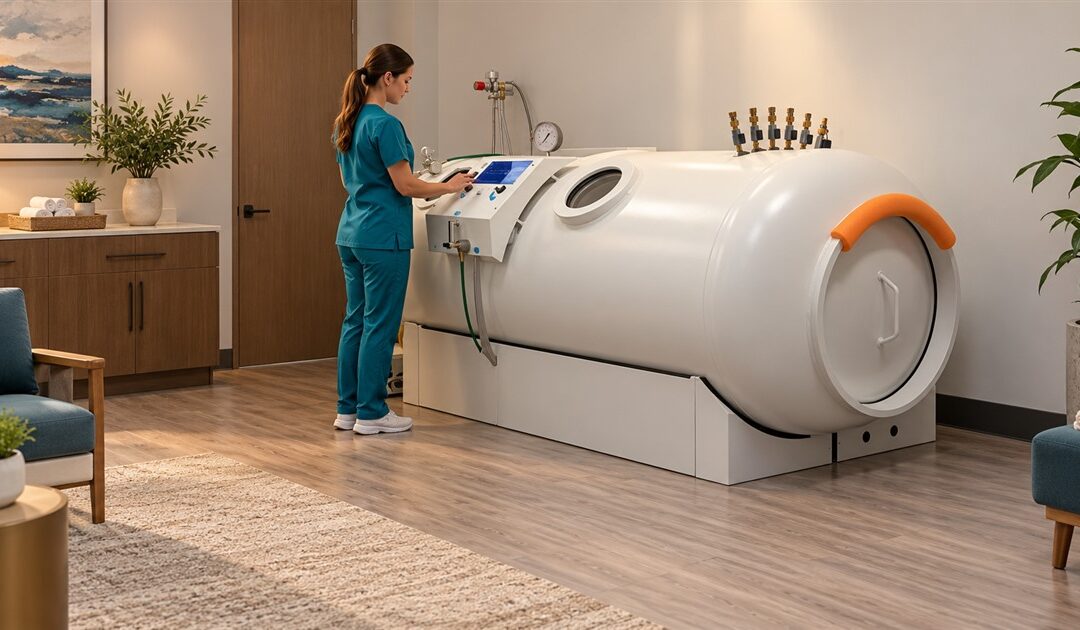
If you’re researching a hyperbaric chamber in Las Vegas, you may be wondering how oxygen therapy works, what conditions it can help treat, and whether it could support your recovery after cosmetic surgery. With growing interest in treatments that support healing and recovery, hyperbaric oxygen therapy has become an increasingly discussed option among patients seeking additional care.
Hyperbaric oxygen therapy (HBOT) is an established medical treatment for certain conditions involving damaged tissue, impaired healing, and inadequate oxygen delivery. It has also attracted interest among people exploring postoperative recovery, skin health, and wellness. However, not every advertised benefit has the same level of scientific support, making it important to understand which applications are medically established and which remain under investigation.
Whether you’re recovering from cosmetic surgery or exploring hyperbaric oxygen therapy in Las Vegas, this guide explains how the treatment works, its potential benefits, recognized medical uses, safety considerations, and what to expect during a hyperbaric chamber session.
What Is Hyperbaric Chamber Therapy?
Hyperbaric chamber therapy is a treatment that uses increased atmospheric pressure to help the body absorb more oxygen. In conventional medical hyperbaric oxygen therapy, patients breathe 100% oxygen inside a specially designed pressurized chamber. This environment increases the amount of oxygen dissolved in blood plasma, allowing additional oxygen to reach tissues that may be affected by reduced circulation or injury.
Oxygen plays an essential role in tissue repair, immune function, and cellular health. When an injury or medical condition interferes with the body’s ability to deliver adequate oxygen to affected areas, hyperbaric chamber treatment may provide therapeutic benefits in appropriately selected patients.
Different oxygen therapy chambers operate at different pressures and may use different oxygen delivery systems. These distinctions are important because research supporting conventional medical HBOT cannot automatically be applied to every type of chamber. Patients should understand the equipment, oxygen concentration, pressure levels, and intended purpose of treatment before beginning therapy.
How Does a Hyperbaric Chamber Work?
Under normal conditions, oxygen enters the lungs and travels throughout the body primarily by attaching to hemoglobin in red blood cells. During conventional hyperbaric oxygen therapy, increased atmospheric pressure and high oxygen concentrations allow significantly more oxygen to dissolve directly into blood plasma.
This additional oxygen can help reach tissues where circulation or oxygen availability has been compromised. Depending on the medical condition and treatment protocol, hyperbaric oxygen therapy may influence several biological processes involved in healing and recovery.
Supporting Tissue Repair and Wound Healing
Oxygen is essential for cellular activity involved in repairing damaged tissues. In appropriately selected patients, increased oxygen availability can support collagen formation, cellular function, and other processes necessary for wound healing. These effects are especially relevant when normal healing has been disrupted by poor circulation or tissue damage.
Encouraging Healthy Blood Vessel Formation
Hyperbaric oxygen therapy can stimulate biological processes associated with angiogenesis, which is the formation of new blood vessels. Healthy blood vessels help deliver oxygen and nutrients to tissues, making this process particularly important for certain chronic wounds and areas affected by impaired circulation.
Supporting Immune Function and Infection Management
Adequate oxygen levels help certain immune cells function effectively when responding to infections. Hyperbaric treatment may also enhance the effectiveness of selected antibiotics in specific medical situations, although it does not replace appropriate medications, surgical treatment, or other necessary medical care.
Supporting the Body’s Response to Tissue Stress
Research suggests that hyperbaric oxygen therapy can influence inflammatory responses and certain biological pathways associated with tissue injury. These effects vary according to the patient’s medical condition and the treatment protocol, and they should not be interpreted as evidence that HBOT improves every form of inflammation or postoperative swelling.
What Are the Benefits of Hyperbaric Oxygen Therapy?
The potential benefits of hyperbaric chamber treatment depend on the condition being treated, the type of chamber used, and the individual patient’s health. While medical HBOT has established applications for certain conditions, other uses, including routine cosmetic surgery recovery and anti-aging, are still being studied.
1. Supporting Wound Healing
One of the most recognized benefits of hyperbaric oxygen therapy is its role in treating selected difficult-to-heal wounds. When circulation is impaired, damaged tissues may not receive enough oxygen to support normal recovery, potentially contributing to delayed healing and additional complications.
For appropriately selected patients, medical HBOT can help improve oxygen availability in affected tissues and support the body’s repair processes. Treatment is typically combined with other important wound care measures, including infection management, pressure relief, and appropriate medical supervision.
2. Supporting Recovery After Cosmetic Surgery
Patients considering a hyperbaric chamber after surgery often want to know whether treatment can help with bruising, swelling, and healing. Researchers have investigated HBOT in aesthetic procedures, including tummy tucks, facial surgery, and other operations involving tissue repair.
Some studies report encouraging postoperative findings, but the evidence remains limited and varies between procedures and treatment protocols. Hyperbaric oxygen therapy should therefore be viewed as a potential complementary option in selected circumstances rather than a guaranteed way to accelerate routine cosmetic surgery recovery.
3. Helping Protect Compromised Tissue
Hyperbaric oxygen therapy has an established role in the management of certain compromised skin grafts and surgical flaps. These complications can occur when transplanted or repositioned tissue receives inadequate blood flow, placing the affected area at risk of delayed healing or tissue loss.
Medical HBOT may help improve oxygen availability and support tissue survival when incorporated promptly into an appropriate treatment plan. Its use requires careful evaluation because not all postoperative wounds or surgical flaps require hyperbaric treatment.
4. Supporting Healing After Radiation Injury
Radiation therapy can sometimes cause delayed tissue damage that affects the body’s ability to repair certain areas. In selected cases, medical hyperbaric oxygen therapy may help manage radiation-related soft tissue or bone injuries by supporting oxygen delivery and healing processes.
Treatment recommendations depend on the location and severity of the injury, the patient’s medical history, and the available clinical evidence. A qualified medical professional should determine whether HBOT is appropriate for a particular radiation-related complication.
Hyperbaric Oxygen Therapy and Plastic Surgery Recovery
Interest in hyperbaric oxygen therapy for plastic surgery recovery continues to grow as patients explore additional ways to support healing after cosmetic procedures. Swelling, bruising, inflammation, and tissue repair are expected parts of postoperative recovery, and the body’s oxygen requirements play an important role throughout these processes.
Researchers have examined the potential role of hyperbaric treatment following procedures such as tummy tuck surgery, rhinoplasty, breast augmentation, liposuction, facelifts, and reconstructive operations. Some preliminary findings suggest possible benefits in selected recovery outcomes, but results have not been consistently established across every procedure.
For patients considering HBOT in Las Vegas after cosmetic surgery, treatment decisions should begin with the operating surgeon or an appropriately qualified medical professional. Hyperbaric chamber treatment should complement prescribed wound care, activity restrictions, nutrition, follow-up appointments, and other postoperative instructions rather than replace established recovery practices.
Patients should also recognize that healing times vary considerably depending on the procedure, individual health, circulation, and whether complications occur. A personalized assessment is more useful than relying on generalized promises about rapid healing or reduced recovery times.
What Medical Conditions Can Hyperbaric Oxygen Therapy Treat?
Medical hyperbaric oxygen therapy is an established treatment for several recognized conditions, although eligibility depends on the diagnosis, clinical circumstances, and treatment setting. The Undersea & Hyperbaric Medical Society (UHMS) recognizes hyperbaric oxygen therapy for certain medical conditions. While HBOT is also being explored for additional health and wellness benefits, these applications may not have the same level of scientific evidence as established medical treatments.
Chronic Wounds and Diabetic Foot Ulcers
Selected non-healing wounds, including certain diabetic foot ulcers, may benefit from medical HBOT when used alongside comprehensive wound care. These conditions often involve impaired circulation, infection, or other factors that interfere with normal tissue repair.
Compromised Skin Grafts and Surgical Flaps
Some surgical grafts and flaps experience inadequate blood supply following a procedure. In qualifying cases, hyperbaric oxygen therapy may help improve tissue oxygenation and support healing, particularly when treatment begins promptly and is coordinated with the surgical team.
Severe Infections and Radiation Injuries
Certain serious infections, including gas gangrene, necrotizing soft tissue infections, and selected persistent bone infections, are recognized applications of medical HBOT when combined with appropriate medical treatment. Delayed radiation injuries may also qualify for hyperbaric treatment after a thorough clinical evaluation.
Other Recognized Medical Applications
Additional recognized indications include decompression sickness, carbon monoxide poisoning, air or gas embolism, selected crush injuries, severe anemia when transfusion is not possible, and sudden sensorineural hearing loss. These conditions require specialized medical evaluation, and emergency cases must be managed in appropriately equipped healthcare facilities.
Not every hyperbaric chamber clinic provides treatment for every recognized condition. Patients should confirm the facility’s equipment, clinical capabilities, supervision, and available services before scheduling treatment.
Hyperbaric Chamber Therapy for Skin Health and Wellness
Growing interest in wellness and healthy aging has led researchers to examine whether hyperbaric oxygen therapy may influence skin repair, collagen-related processes, and other biological activities associated with tissue health. These areas are attracting scientific attention, particularly as people explore ways to maintain healthy skin and support their body’s natural recovery processes.
Although preliminary research is promising in certain areas, there is insufficient evidence to conclude that hyperbaric chamber treatment reliably reverses visible aging, prevents hair loss, or produces consistent skin rejuvenation in otherwise healthy individuals. Research involving fatigue, neurological conditions, and general longevity also varies in quality and does not establish HBOT as a universally effective treatment.
People researching hyperbaric Las Vegas wellness services should distinguish between recognized medical indications and emerging applications. Understanding the available evidence, potential risks, and realistic outcomes can help patients make better-informed treatment decisions without relying on exaggerated claims.
What to Expect During a Hyperbaric Chamber Session
Understanding the treatment process can help first-time patients feel more prepared and comfortable when visiting a hyperbaric chamber clinic. Although procedures vary depending on the type of equipment and treatment protocol, most sessions involve preparation, gradual pressurization, a supervised treatment period, and a controlled return to normal atmospheric pressure.
Before Your Hyperbaric Chamber Treatment
Before treatment begins, a qualified provider should review your medical history, current medications, treatment goals, and possible contraindications. You may also receive instructions about appropriate clothing, prohibited personal items, and techniques for managing changes in ear pressure.
This initial evaluation is particularly important for patients recovering from surgery or managing an existing medical condition. Your provider should explain whether treatment is suitable for your circumstances and discuss any precautions that may be necessary.
During Your Hyperbaric Oxygen Therapy Session
Depending on the chamber design, patients may sit or lie comfortably while pressure gradually increases. Some individuals notice sensations in their ears similar to those experienced during airplane travel, which can often be managed using techniques recommended by the treatment provider.
Conventional medical HBOT sessions commonly involve approximately 60 to 120 minutes of treatment, although specific protocols vary. Appropriate monitoring should continue throughout the session, and patients should communicate any discomfort or unexpected symptoms immediately.
After Your Hyperbaric Chamber Las Vegas Session
Many patients can resume ordinary activities following treatment, depending on their medical condition and the reason for receiving HBOT. Temporary fatigue, mild ear discomfort, or other short-term effects may occur, and your provider should explain what symptoms to monitor after leaving the chamber.
The recommended number of treatments varies according to the diagnosis, clinical goals, chamber specifications, and response to therapy. Some medical conditions require repeated sessions, while others follow different treatment schedules determined by qualified healthcare professionals.
Is Hyperbaric Chamber Treatment Safe?
Hyperbaric oxygen therapy is generally well tolerated when it is appropriately prescribed, supervised, and performed using suitable equipment. However, treatment carries potential risks, making patient screening and established safety procedures essential components of care.
Possible complications include ear or sinus pressure injuries, temporary vision changes, and, in rare cases, oxygen-related seizures or lung injury. An untreated pneumothorax is an important contraindication, while certain respiratory conditions, ear problems, and other medical circumstances may require additional evaluation.
Fire prevention is another critical consideration because oxygen-rich environments create specific safety hazards. Facilities must follow appropriate equipment maintenance, staff training, patient monitoring, and chamber safety procedures to reduce preventable risks.
Patients researching hyperbaric chamber usage should ask about equipment specifications, supervision, pressure settings, oxygen delivery methods, and emergency procedures. A reputable treatment provider should be able to explain these considerations clearly before a patient begins therapy.
Choosing a Hyperbaric Chamber Clinic in Las Vegas
Finding the right provider for hyperbaric oxygen therapy in Las Vegas involves more than selecting the nearest clinic. Patients should look for a treatment environment that emphasizes appropriate screening, clear communication, qualified supervision, and realistic expectations about potential benefits.
Before beginning treatment, ask about the type of chamber being used, its operating pressure, oxygen delivery system, patient monitoring, and intended medical applications. These details help distinguish conventional medical HBOT from other oxygen-based services that may operate under different treatment conditions.
For individuals recovering after cosmetic surgery, communication between the hyperbaric provider and the surgical team is particularly important. This coordination helps determine whether treatment is suitable for the patient’s recovery needs and whether it can be incorporated safely into an existing postoperative care plan.
Hyperbaric Chamber Treatment in Las Vegas, Nevada
For individuals exploring hyperbaric oxygen therapy in Las Vegas, access to reliable treatment information and appropriate patient guidance is an important part of choosing care. Our hyperbaric therapy service provides an opportunity to learn more about oxygen-based treatments and their potential role in supporting recovery.
Located at 7650 W Sahara Avenue, Las Vegas, NV 89117, our facility is accessible to patients from Las Vegas, Summerlin, and surrounding communities. Patients interested in hyperbaric chamber treatment are encouraged to ask about available equipment, treatment procedures, safety measures, and whether therapy may be appropriate for their individual circumstances.
Every patient’s medical history, treatment goals, and recovery needs are different. Understanding these factors helps create more realistic expectations and supports informed decisions about whether hyperbaric treatment should be considered.
Frequently Asked Questions About Hyperbaric Chambers
Does hyperbaric oxygen therapy hurt?
Hyperbaric oxygen therapy is generally painless, although some patients experience temporary ear pressure while the chamber pressurizes or depressurizes. This sensation is similar to the pressure experienced during air travel, and patients should notify their provider immediately if they experience pain or difficulty equalizing pressure.
Can a hyperbaric chamber help after cosmetic surgery?
Hyperbaric oxygen therapy may support selected postoperative healing situations, particularly when tissue oxygenation or circulation is compromised. However, evidence for routine use after uncomplicated cosmetic surgery remains limited, so patients should discuss potential benefits and risks with their surgeon before beginning treatment.
How long does a hyperbaric chamber session take?
Conventional medical hyperbaric oxygen therapy sessions commonly last approximately 60 to 120 minutes, depending on the prescribed treatment protocol. Additional time may be needed for preparation, equipment procedures, and post-treatment assessment, so patients should confirm appointment expectations with their provider.
How many hyperbaric treatments will I need?
There is no universal number of hyperbaric chamber sessions because treatment schedules depend on the medical condition, desired outcomes, and clinical response. A qualified healthcare professional should explain the recommended frequency and duration of treatment based on the patient’s specific needs.
Is hyperbaric oxygen therapy the same as visiting an oxygen bar?
No. Conventional medical hyperbaric oxygen therapy involves treatment under increased atmospheric pressure using a defined oxygen delivery protocol, while oxygen bars typically provide supplemental oxygen without equivalent chamber pressure. These services are not interchangeable and should not be assumed to offer the same medical benefits.
Explore Hyperbaric Chamber Treatment in Las Vegas
Hyperbaric oxygen therapy offers established benefits for selected medical conditions and continues to attract research interest in postoperative recovery and other applications. Understanding how treatment works, the differences between chamber systems, and the available clinical evidence can help patients determine whether this option deserves further consideration.
If you’re considering a hyperbaric chamber in Las Vegas, our team can provide information about available hyperbaric chamber treatment options and help you explore the next steps toward determining whether therapy may be suitable for your needs.
Call (702) 838-2455 or visit our Hyperbaric Chamber Las Vegas service page to request additional information about treatment.
Medical Disclaimer: This article is intended for educational purposes only and does not replace professional medical advice, diagnosis, or treatment. Hyperbaric oxygen therapy is not appropriate for every patient, and treatment results vary according to the medical condition, chamber specifications, and prescribed protocol.