

Hyperbaric Therapy Surgery Recovery: 7 Powerful Takeaways
Hyperbaric therapy surgery recovery can help patients and wellness clients understand how oxygen-based sessions may fit into thoughtful recovery planning.
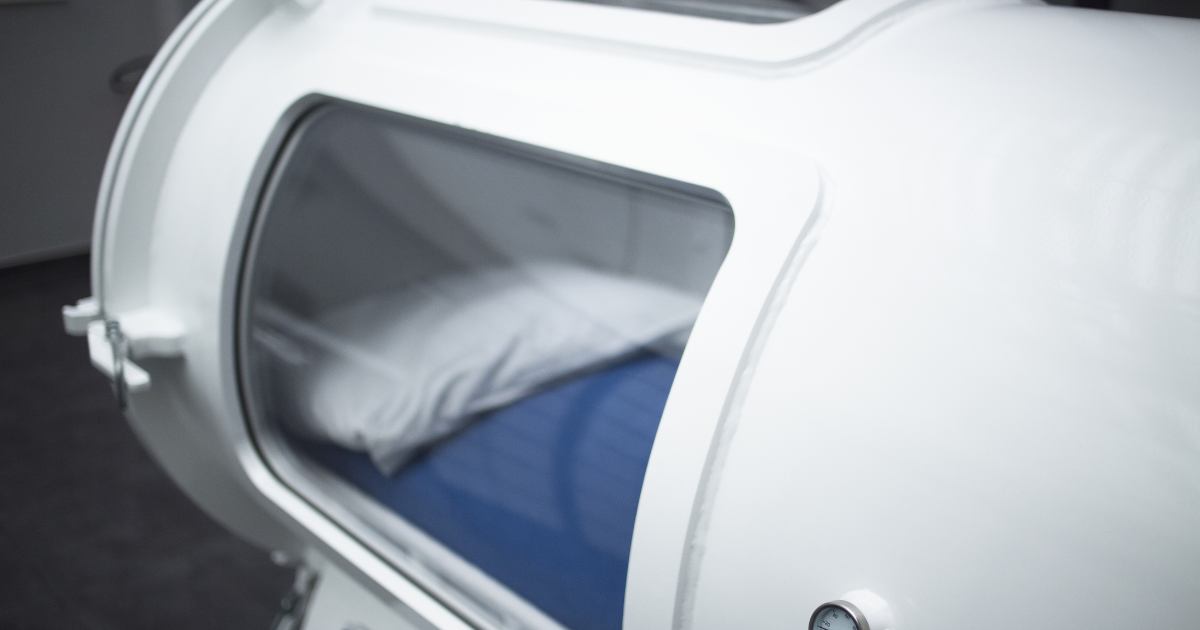
- hyperbaric therapy surgery recovery is most useful when goals, timing, and comfort needs are reviewed before treatment.
- hyperbaric therapy surgery recovery should support, not replace, instructions from a licensed health professional.
- hyperbaric therapy surgery recovery may be part of a broader plan that includes rest, nutrition, hydration, and follow-up care.
For many Las Vegas clients, hyperbaric therapy surgery recovery starts with a clear conversation about goals, safety, and expectations.
For local guidance, visit our about us page or contact the care team. For general medical background, MedlinePlus offers an overview of hyperbaric oxygen therapy.
Introduction: Healing Smarter After Surgery
Recovery is one of the most overlooked yet crucial stages of any surgical journey. Patients often focus on the procedure itself, preparing mentally and physically for the transformation. But true success depends heavily on how the body heals afterward. Traditional recovery method, rest, wound care, and medication, remain vital, but new innovations are changing the way patients experience post-operative care.
Among these advancement, hyperbaric chamber therapy (HBOT) has become one of the most powerful tools to accelerate surgical recovery. By using oxygen in a highly pressurized chamber, this treatment helps patients heal faster, reduce discomfort, and achieve smoother cosmetic outcomes.
What Is Hyperbaric Chamber Therapy?
A hyperbaric chamber is a specialized medical device that delivers oxygen at pressures greater than normal atmospheric conditions. In this environment, patients breathe nearly 100% oxygen, allowing it to dissolve into the blood plasma and tissues at much higher levels than breathing room air.
This process creates a “supercharged” healing effect. More oxygen reaches injured tissue, fueling cellular repair, reducing inflammation, and strengthening the immune system. Hyperbaric chamber therapy is widely used in medicine to treat chronic wound, burn, and carbon monoxide poisoning, and it is now making a significant impact in surgical recovery.
The Science: Why Oxygen Is Critical for Healing
Every stage of surgical recovery depends on oxygen:
- Inflammation phase: Oxygen supports white blood cells in fighting off bacteria and reducing infection risk.
- Proliferation phase: Oxygen stimulates collagen production and new blood vessel formation, vital for wound closure.
- Remodeling phase: Oxygen contributes to tissue strength and minimizes scarring over time.
When the body doesn’t get enough oxygen at the surgical site, healing slows down. Swelling lingers longer, pain can be more intense, and complications may increase. By using a hyperbaric chamber, oxygen delivery is maximized exactly when the body needs it most.
Benefits of Hyperbaric Chamber Therapy After Surgery
Faster Healing Times
Patients who undergo hyperbaric chamber treatments often recover weeks faster than those relying solely on traditional recovery methods. Oxygen-rich tissues regenerate quickly, allowing patients to return to work, exercise, and social activities sooner.
Reduced Swelling and Bruising
Bruising and inflammation are common after surgery. By improving circulation and oxygenation, HBOT minimizes swelling and discoloration, making recovery more comfortable and cosmetic results visible sooner.
Enhanced Comfort and Pain Reduction
Less swelling means less pressure on nerves and tissues. Many patients report decreased pain after session, leading to reduced dependence on pain medications.
Lower Infection Risk
Oxygen is a natural antibacterial agent. In a hyper-oxygenated environment, bacteria struggles to survive, dramatically reducing the risk of post-surgical infections.
Improved Cosmetic Results
Scarring is a concern for many cosmetic surgery patients. By accelerating tissue regeneration and improving blood flow, HBOT supports smoother scar, healthier skin, and more natural-looking outcomes.
Which Procedures Benefit the Most?
Hyperbaric chamber therapy can enhance recovery for nearly any surgery, but it is especially valuables for procedures involving delicate tissues or large surgical sites:
- Facelift & Neck Lift: Reduces swelling in facial tissues for faster return to social life.
- Tummy Tuck (Abdominoplasty): Supports healing along long incisions and abdominal muscle repair.
- Breast Augmentation or Lift: Reduces discomfort and speeds tissue recovery around implants.
- Liposuction: Enhances circulation in treated area, minimizing soreness.
- Brazilian Butt Lift (BBL): Helps oxygenate fat cell, improving survival and long-term contour.
- Diabetic Foot Ulcers: HBOT helps improve oxygen flow to tissues in patients with poor circulation. Proven to accelerate wound healing and reduce the risk of amputation.
- Radiation Tissue Damage (Radiation Necrosis): After cancer treatments like radiation therapy, some patients develop damaged tissues. HBOT restores circulation and helps regenerate blood vessels.
- Chronic Non-Healing Wounds: Pressure ulcers (bed sores), venous leg ulcer, and traumatic wounds can benefit from oxygen therapy.
- Bone Infections (Osteomyelitis): Especially in cases resistant to antibiotic, HBOT boosts immune response and helps clear infections.
- Carbon Monoxide Poisoning: HBOT is the gold standard treatment. Quickly removes carbon monoxide from blood and restores oxygen levels.
- Crush Injuries & Compartment Syndrome: In trauma patient, HBOT reduces swelling and enhances tissue survival.
- Skin Grafts & Flaps (Non-Cosmetic Applications): Often used after reconstructive surgeries or trauma to improve graft survival.
- Sudden Sensorineural Hearing Loss: Some patients benefit from HBOT, which increases oxygen to the inner ear and auditory nerve.
- Gas Gangrene (Clostridial Myonecrosis): HBOT slows bacterial growth and supports life-saving treatments.
- Decompression Sickness (The Bends): Common in diver, HBOT is essential to remove nitrogen bubbles from the bloodstream.
Patient Experience: What to Expect
Many patients describe HBOT sessions as relaxing and stress-free. A typical session includes:
- Entering the Chamber: Patients lie comfortably inside.
- Pressurization: The chamber gradually increases in air pressure.
- Breathing Oxygen: Patients breathe normally, reading, resting, or listening to music.
- Session Duration: Most last between 60 to 90 minutes.
- Post-Session Benefits: Patients often feel refreshed, energized, and less swollen.
A personalized treatment plan may include 5 to 10 sessions depending on the procedure, though some patients benefit from more.
Comparing HBOT to Traditional Recovery
Traditional recovery focuses on rest, hydration, and medications. While these are essential, they cannot enhance oxygen delivery to the level HBOT provides. Here’s how the two compare:
FAQs
Q: How soon can I start hyperbaric chamber therapy after surgery?
Most patients begin within 24 to 48 hour, depending on the surgeon’s approval.
Q: How many treatments will I need?
The number varies, but most patients benefit from 5 to 10 sessions. Some complex procedures may require additional treatments.
Q: Is it safe?
Yes. When performed in a medical setting, HBOT is considered safe, comfortable, and non-invasive.
Q: Can HBOT replace regular recovery practices?
No. It is designed to complement rest, wound care, and follow-up, not replace them.
Q: Does it help reduce scars?
Yes. By fueling collagen production and tissue remodeling, HBOT supports smoother, less visible scars.
Q: Is HBOT only for cosmetic surgery?
No. While it is excellent for plastic surgery recovery, HBOT is also used for sports injuries, chronic wound, and other medical conditions.
Why Choose Hyperbaric Chamber Therapy in Las Vegas?
Las Vegas is a hub for advanced cosmetic procedure, and hyperbaric therapy is becoming a cornerstone of patient recovery in the city. Having access to a hyperbaric chamber in Las Vegas means patients can combine world-class surgery with equally advanced healing support.
At our facility, patients receive:
- Medical supervision during every session
- Customized treatment plans based on procedure type
- Safe, comfortable chambers designed with patient relaxation in mind
- Convenient location for both locals and medical travelers
Final Thoughts
Surgical recovery doesn’t have to mean long weeks of discomfort and downtime. With hyperbaric chamber therapy, patients experience faster healing, less swelling, lower infection risk, and smoother cosmetic results.
By integrating this advanced treatment into recovery, patients aren’t just healing, they’re healing smarter. For anyone considering cosmetic surgery in Las Vegas, asking about hyperbaric chamber therapy may be the difference between a standard recovery and an exceptional one.