
Hyperbaric Chamber Las Vegas: A Complete Guide to Post-Surgical Healing
Recovering from surgery depends on blood flow, oxygen delivery, wound care, nutrition, rest, and careful follow-up. For some patients, hyperbaric oxygen therapy, commonly called HBOT, may be recommended as an adjunct to standard postoperative care. A hyperbaric chamber treatment allows a patient to breathe high-concentration oxygen in a pressurized medical environment, increasing the amount of oxygen available to tissues.
Hyperbaric oxygen therapy has established uses for selected problem wounds, compromised grafts and flaps, radiation tissue injury, certain severe infections, acute traumatic ischemia, burns, and other conditions. Research is also examining its role after cosmetic, reconstructive, orthopedic, dental, trauma-related, and other surgeries. HBOT should complement, not replace, standard postoperative care.
What Is Hyperbaric Oxygen Therapy?
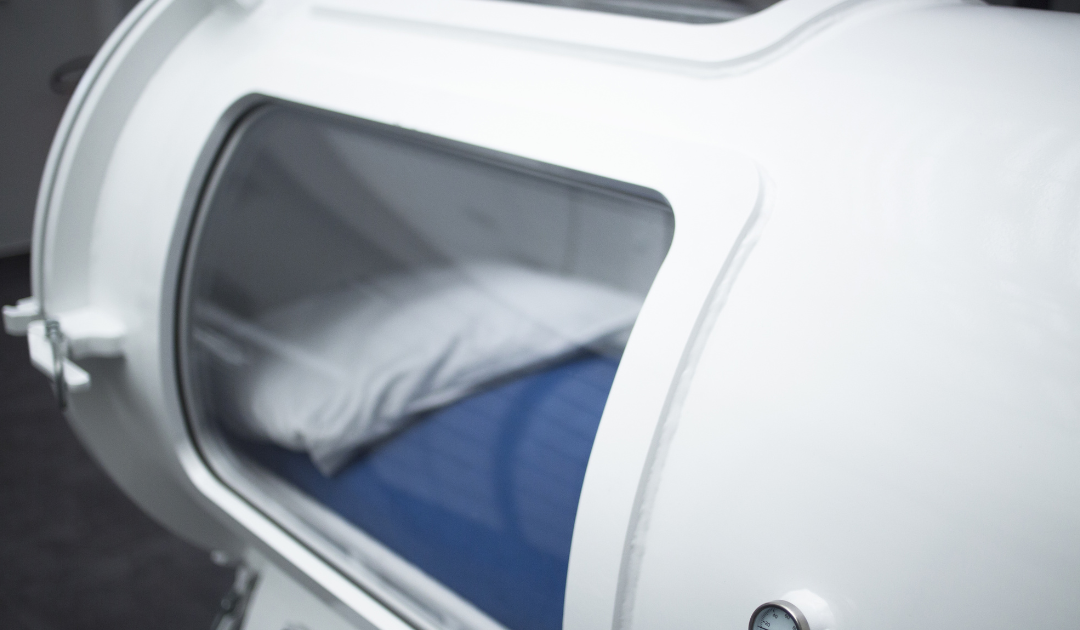
Hyperbaric oxygen therapy is performed inside a specially designed hyperbaric chamber. During treatment, pressure inside the chamber is raised above normal atmospheric pressure while the patient breathes oxygen.
Under higher pressure, the lungs can take in more oxygen than under ordinary conditions, increasing oxygen availability to tissues stressed by injury, surgery, swelling, reduced circulation, or infection. Depending on the condition, this may support wound-healing processes and tissue survival.
For patients researching hyperbaric chamber Las Vegas options, this distinction is important. HBOT is a medical treatment that should be selected according to the patient’s diagnosis, surgical history, wound condition, and overall health.
How Can a Hyperbaric Chamber Support Healing After Surgery?
Every operation creates a controlled injury that the body must repair. Healing tissues need oxygen for cellular repair, collagen production, immune defense, and wound closure. Swelling, vascular injury, smoking history, diabetes, infection, radiation damage, or poor circulation can make oxygen delivery more difficult.
Hyperbaric chamber treatment after surgery may be considered when tissue oxygenation is a concern. Potential postoperative uses include supporting selected difficult wounds, improving oxygen delivery to compromised tissue, assisting threatened grafts or flaps, and supporting tissue affected by ischemia or prior radiation.
HBOT is not automatically necessary after every operation. The decision should be based on clinical findings and a medical evaluation.
Hyperbaric Oxygen Therapy After General, Orthopedic, and Trauma Surgery
Patients may explore HBOT after abdominal, vascular, orthopedic, trauma, or other major surgery. Hyperbaric chamber therapy may become relevant when there is a difficult wound, poor blood flow, threatened tissue, severe infection, crush injury, or another recognized indication.
Refractory bone infection and acute traumatic ischemia are among the established areas where HBOT may be used as an adjunct.
Treatment should remain coordinated with the surgical team. HBOT does not replace debridement, antibiotics, fixation, wound care, or rehabilitation. This is especially important after complex surgery or trauma, where successful recovery may depend on several treatments working together rather than a single therapy.
Hyperbaric Oxygen Therapy After Reconstructive Surgery
Reconstructive surgery often depends on healthy blood flow to transferred tissue, grafts, and flaps. When a graft or flap is healing normally, HBOT is not routinely recommended simply to make it heal faster.
When tissue becomes compromised because of decreased perfusion or hypoxia, however, hyperbaric oxygen therapy is a recognized adjunct that may help support tissue salvage. The Undersea and Hyperbaric Medical Society identifies compromised grafts and flaps as an indication while noting that normal, uncompromised tissue does not require HBOT. Signs such as darkening skin, unusual coolness, increasing pain, or wound separation require immediate contact with the surgical team.
Hyperbaric Chamber Therapy After Cosmetic and Plastic Surgery
Interest in hyperbaric chamber treatment after cosmetic surgery has grown among patients undergoing tummy tuck, liposuction, breast surgery, facelift, body contouring, and combined procedures.
A 2025 systematic review and meta-analysis found promising postoperative results in aesthetic surgery, including shorter healing times in the studies reviewed and high patient satisfaction. However, protocols varied, and the researchers emphasized the need for stronger randomized trials before standardized recommendations can be established.
For people researching hyperbaric oxygen therapy after a tummy tuck, liposuction, facelift, or breast surgery, HBOT may be considered as part of a personalized plan. It should not be presented as a guaranteed way to eliminate bruising, prevent complications, or dramatically shorten recovery.
Patients seeking rapid healing after cosmetic surgery should still follow postoperative instructions, avoid nicotine, maintain nutrition and hydration, and attend follow-up visits.
Can Hyperbaric Therapy Be Used Before Surgery?
Some surgical protocols use or study hyperbaric oxygen therapy before surgery, particularly when tissue quality or blood supply is already compromised, such as after radiation injury or in complex reconstruction.
Pre-operative hyperbaric chamber treatment is not a universal requirement and should be coordinated with the clinicians managing the surgery.
For appropriate patients, a treatment strategy may include sessions before surgery, after surgery, or both. The exact schedule should reflect the medical indication rather than a one-size-fits-all recovery package.
What Happens During a Hyperbaric Chamber Treatment?
A hyperbaric session is generally performed as an outpatient treatment, although it can also be provided in a hospital. Patients may receive treatment in a monoplace hyperbaric chamber designed for one person or a multiplace chamber capable of treating several patients.
Treatment length, pressure, and number of sessions depend on the indication. Many sessions last about 90 minutes to two hours. As pressure changes, the ears may feel similar to air travel, and patients are taught techniques to equalize pressure. Medical personnel should monitor treatment throughout.
The number of sessions can vary substantially. An acute problem may require fewer treatments, while a complicated wound or chronic condition may require a longer treatment plan.
Is Hyperbaric Oxygen Therapy Safe?
HBOT is generally considered safe when properly prescribed, delivered, and monitored, but it is not risk-free.
Possible side effects include ear discomfort or middle-ear injury, sinus pressure, temporary vision changes, low blood sugar in some patients with diabetes, and claustrophobia. Rare complications can include oxygen-related seizures or lung injury. Oxygen-rich environments also increase fire risk.
In August 2025, the FDA reminded healthcare providers to follow manufacturer instructions, fire-prevention procedures, staff training requirements, patient monitoring standards, and equipment safety protocols when operating HBOT devices.
Patients should disclose lung disease, ear problems, respiratory infection, diabetes, medications, implanted devices, pregnancy status, and other relevant conditions before treatment.
What Conditions Can Hyperbaric Chamber Therapy Treat?
Hyperbaric chamber therapy extends well beyond postoperative care. Recognized indications include selected nonhealing wounds, diabetic lower-extremity wounds, compromised grafts and flaps, delayed radiation tissue injury, acute traumatic ischemia, refractory osteomyelitis, necrotizing soft-tissue infections, gas gangrene, severe anemia in selected circumstances, acute thermal burns, sudden sensorineural hearing loss, decompression sickness, air or gas embolism, and carbon monoxide poisoning.
This makes HBOT relevant to several areas of medicine beyond routine surgical recovery, including wound care, trauma treatment, radiation injury management, severe infection management, and tissue salvage.
Some centers study HBOT for additional neurologic, musculoskeletal, autoimmune, fatigue-related, reproductive, and wellness applications. Evidence varies substantially, and many are not established indications. Ask whether a proposed use is guideline-supported, off-label, or investigational.
Who May Benefit Most From Post-Surgical HBOT?
A post-surgical hyperbaric chamber evaluation may be especially relevant for patients experiencing:
- A difficult or nonhealing surgical wound
- A compromised graft or flap
- Poor tissue perfusion
- Prior radiation damage
- Severe soft-tissue injury
- Selected serious infections
- Diabetes-related wound-healing problems
- Signs that oxygen delivery to tissue may be impaired
Smoking can negatively affect circulation and wound healing. Patients who smoke or use nicotine should follow their surgeon’s cessation instructions rather than relying on HBOT to offset nicotine-related risk. Hyperbaric oxygen therapy is most useful when it addresses a defined medical or wound-healing problem.
Choosing a Hyperbaric Chamber in Las Vegas
When comparing hyperbaric chamber Las Vegas options, look beyond price and convenience. Ask who evaluates patients, who prescribes treatment, how patients are monitored, what type of chamber is used, what emergency procedures are in place, and whether the proposed plan can be coordinated with your surgeon or treating physician.
A responsible program should review your diagnosis, surgical history, medications, wound status, and treatment goals, then explain benefits, limitations, risks, alternatives, and likely treatment frequency.
Patients seeking hyperbaric chamber treatment after surgery in Las Vegas should also discuss whether HBOT is being recommended for an established medical indication or as an elective adjunct to recovery. That distinction helps patients make a more informed decision.
Frequently Asked Questions About Hyperbaric Chamber Treatment After Surgery
Does a hyperbaric chamber make surgical wounds heal faster?
It may support healing in selected patients, especially when tissue is hypoxic, poorly perfused, infected, irradiated, or otherwise compromised.
Evidence is promising in some broader postoperative settings, but faster healing should not be guaranteed after every surgery.
When should HBOT start after surgery?
Timing depends on the reason for treatment. A threatened graft or flap may require urgent evaluation, while other postoperative uses may follow a planned protocol. The surgeon and hyperbaric clinician should determine timing together.
Can HBOT reduce swelling and bruising after surgery?
Some postoperative studies report favorable recovery outcomes, and improving tissue oxygenation may influence swelling. Evidence is not strong enough to promise that HBOT will reliably eliminate swelling or bruising following routine surgery.
Is hyperbaric chamber therapy only for plastic surgery?
No. Hyperbaric chamber therapy after surgery can be relevant in wound care, reconstructive surgery, trauma care, orthopedic treatment, radiation injury, severe infections, diabetic wound management, and other medical settings. Cosmetic surgery recovery is only one area of current interest.
Can hyperbaric treatment help after tummy tuck or liposuction?
Research into HBOT after aesthetic surgery is growing, and recent studies suggest potential benefits for selected recovery outcomes. Treatment should still be personalized according to the patient’s health, procedure, tissue condition, and surgeon’s recommendations.
Do I still need normal postoperative care if I use HBOT?
Yes. Hyperbaric chamber treatment is an adjunct, not a substitute for prescribed wound care, medications, activity restrictions, nutrition, rehabilitation, compression when appropriate, or follow-up appointments.
Hyperbaric Chamber Las Vegas: A Personalized Approach to Surgical Recovery
For patients exploring a hyperbaric chamber in Las Vegas, the best approach is individualized. Hyperbaric oxygen therapy can be an important tool for selected wounds, threatened tissue, compromised grafts or flaps, radiation injury, serious infection, traumatic ischemia, and other recognized conditions. Emerging research also suggests potential value in supporting recovery after additional procedures, including cosmetic surgery.
The key is appropriate patient selection. Hyperbaric chamber treatment should be based on medical evaluation and coordinated with the team responsible for your surgery. If you are preparing for surgery, recovering from a recent procedure, or concerned that a wound is not healing as expected, a hyperbaric consultation can help determine whether HBOT after surgery belongs in your recovery plan.
For fever, rapidly worsening pain, shortness of breath, heavy bleeding, spreading redness, foul drainage, or darkening tissue, contact your surgeon or seek emergency care immediately.