Does Hyperbaric Oxygen Therapy Reduce Swelling and Bruising Faster?
Swelling and bruising are among the most common concerns after surgery, especially after cosmetic procedures such as tummy tuck, liposuction, facelift, rhinoplasty, breast surgery, mommy makeover, and body contouring. Patients often want to know whether there is a safe way to support healing, reduce visible signs of surgery, and return to everyday activities with less downtime.
One option receiving increased attention is hyperbaric oxygen therapy, commonly called HBOT. A hyperbaric chamber treatment exposes the body to oxygen in a pressurized environment, increasing the amount of oxygen available to tissues. This has created growing interest in hyperbaric chamber therapy after surgery, particularly among patients researching faster recovery, wound healing, swelling reduction, and post-operative care.
Does Hyperbaric Oxygen Therapy Reduce Swelling and Bruising Faster?
The short answer is that hyperbaric oxygen therapy may help reduce tissue swelling in selected situations, but the evidence that it makes ordinary post-surgical bruising disappear faster is less direct.
HBOT has physiological effects that can reduce edema, which is the medical term for swelling caused by fluid accumulation in tissues. Research also suggests potential benefits for wound healing and postoperative recovery. However, bruising and swelling are different biological processes, so claims that a hyperbaric chamber will quickly eliminate both should be approached carefully.
A 2025 systematic review examining HBOT in aesthetic medicine described potential benefits related to ischemia, swelling, healing, and postoperative recovery.
Understanding the Difference Between Swelling and Bruising
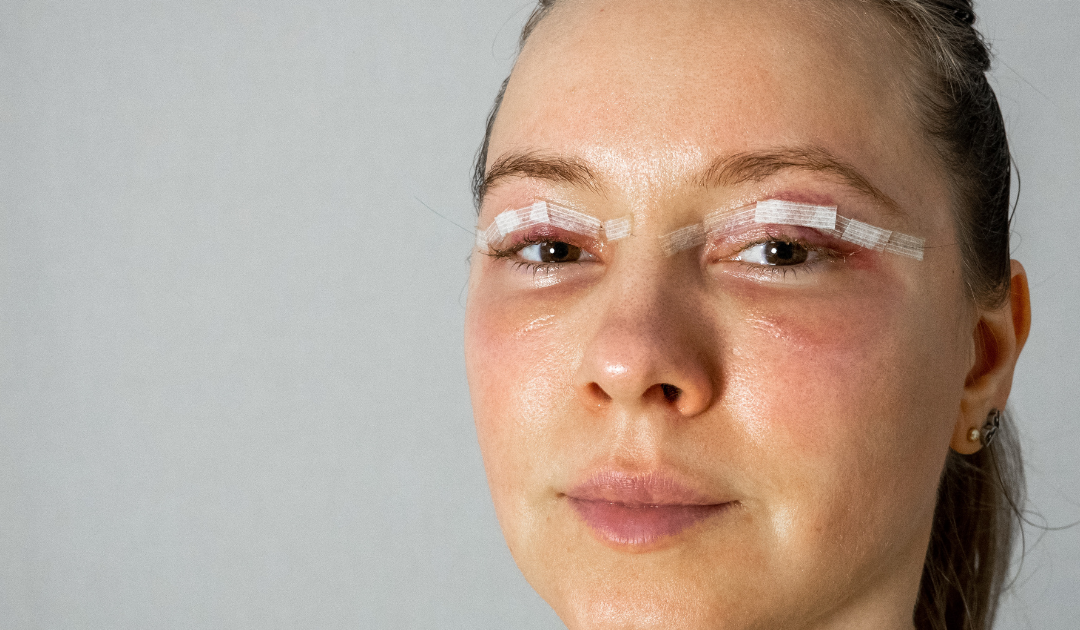
Swelling and bruising frequently appear together after surgery, but they do not occur for exactly the same reason. Post-surgical swelling, or edema, develops when inflammation and changes in circulation allow fluid to accumulate within tissues. This is part of the body’s natural response to surgical trauma. Depending on the procedure, swelling may last from several days to several weeks, with residual swelling sometimes taking longer to fully resolve.
Bruising, medically known as ecchymosis, occurs when small blood vessels are damaged and blood escapes into surrounding tissues. The familiar purple, blue, green, and yellow color changes happen as the body gradually breaks down and reabsorbs that blood.
Because HBOT affects tissue oxygenation, blood vessel behavior, inflammation, and edema, there is a stronger physiological basis for its potential effect on post-surgical swelling than for claiming that it directly clears bruising.
How Hyperbaric Chamber Therapy May Reduce Swelling
One of the most relevant effects of hyperbaric oxygen therapy after surgery involves blood vessel constriction.
During HBOT, elevated oxygen levels cause certain blood vessels to temporarily constrict. Normally, constricting blood vessels might sound counterproductive when healing tissue needs oxygen. However, the increased oxygen dissolved in the blood during hyperbaric treatment can maintain high oxygen availability even while blood flow is reduced.
This combination may decrease the amount of fluid leaking into injured tissues and therefore help reduce edema. Medical literature describes this as one of the established physiological effects of HBOT, particularly in conditions involving traumatic tissue swelling, burns, crush injuries, threatened grafts, and other situations associated with edema.
For patients searching for ways to reduce swelling after surgery, this mechanism is one reason hyperbaric chamber therapy has become an increasingly discussed recovery option.
What About Bruising?
Bruising requires a more cautious answer. HBOT may improve the overall environment in which damaged tissue recovers, but there is currently less high-quality evidence showing that hyperbaric oxygen therapy specifically causes routine postoperative bruises to disappear significantly faster.
Bruising is created by blood that has already leaked into the tissue. The body must naturally break down and absorb that blood over time. Improving oxygenation and supporting tissue recovery may potentially influence the broader healing process, but that is different from directly removing a bruise.
This distinction is important for patients considering hyperbaric chamber treatment after cosmetic surgery. Claims such as “HBOT eliminates bruising” or “hyperbaric oxygen removes bruises immediately” go beyond what current evidence can reliably support. The more defensible benefit is that HBOT may help support the physiological conditions involved in recovery, including tissue oxygenation, edema control, and wound healing.
What Does Research Say About HBOT After Cosmetic Surgery?
Interest in hyperbaric oxygen therapy after cosmetic surgery has grown considerably. A 2025 systematic review and meta-analysis evaluated 11 studies involving 734 patients undergoing aesthetic surgery, including abdominoplasty and breast procedures. Of those patients, 416 received HBOT. Researchers reported favorable postoperative outcomes and shorter healing times in the studies analyzed, although HBOT protocols differed significantly across the research.
The researchers concluded that HBOT may be an effective adjunct in aesthetic surgery, but they also emphasized the need for stronger randomized controlled trials and standardized treatment protocols. This matters when discussing swelling and bruising. The broader evidence for healing after cosmetic surgery is promising, but the available research does not justify guaranteeing that every patient will experience dramatically faster swelling or bruising reduction.
Hyperbaric Oxygen Therapy After Facelift Surgery
Facelift recovery frequently involves facial swelling and bruising, making HBOT after facelift surgery a particularly relevant area of research.
A case-control study involving 20 facelift patients compared individuals who received HBOT with those who did not. The HBOT group demonstrated a significantly shorter average wound-healing duration, although the study was small and the authors recommended larger prospective randomized trials.
For patients researching facelift recovery in Las Vegas, this evidence is encouraging, but it should be interpreted correctly. Faster wound healing does not necessarily mean bruising disappears at the same rate. HBOT may support the healing environment, while visible swelling and bruising can still follow their own normal recovery timelines.
Hyperbaric Chamber Therapy After Tummy Tuck and Body Contouring
A tummy tuck can create substantial postoperative swelling because the procedure involves significant tissue manipulation and abdominal repair. Liposuction and body contouring can also produce swelling across larger treatment areas.
Patients searching for tummy tuck recovery in Las Vegas, hyperbaric chamber after tummy tuck, or hyperbaric oxygen therapy after liposuction may therefore encounter HBOT as a recovery option.
For these procedures, hyperbaric treatment may be considered as one part of a larger postoperative recovery plan rather than a replacement for compression garments, activity instructions, nutrition, hydration, drainage management, or surgical follow-up.
Breast Surgery and Mommy Makeover Recovery
Breast augmentation, breast lift, breast reduction, and mommy makeover procedures can also produce temporary bruising, inflammation, and swelling.
Patients frequently search for breast augmentation recovery, mommy makeover recovery in Las Vegas, and ways to support rapid healing after cosmetic surgery. HBOT has therefore become part of the conversation surrounding advanced postoperative recovery.
A mommy makeover can involve multiple surgical areas, which may make recovery more complex than following a single procedure. Hyperbaric chamber treatment may be considered for selected patients based on tissue condition, wound healing, health history, and the extent of surgery. Patients should not assume that more extensive surgery automatically means they need HBOT. The decision should remain individualized.
When Hyperbaric Chamber Therapy Has a Stronger Medical Role
There are situations where the role of HBOT extends beyond elective recovery optimization. One important example is a compromised graft or flap. Hyperbaric oxygen therapy is not recommended merely to support a healthy graft or flap that is healing normally.
However, the Undersea and Hyperbaric Medical Society recognizes HBOT as useful when grafts or flaps become compromised because of decreased perfusion, hypoxia, radiation injury, or similar problems.
In these situations, increasing tissue oxygenation and reducing edema can become clinically important because tissue viability may be threatened. HBOT has also been used as an adjunct in selected difficult wounds, radiation injuries, burns, severe infections, traumatic tissue injuries, and other recognized medical circumstances.
This broader application reinforces an important point. Hyperbaric chamber therapy is a medical treatment with uses extending well beyond cosmetic surgery recovery.
Can Reduced Swelling Help Healing?
Excessive edema can interfere with healing because swollen tissues can increase the distance oxygen and nutrients must travel from blood vessels to cells. Severe swelling may also place pressure on small blood vessels and further compromise circulation.
By reducing edema while maintaining increased oxygen availability, HBOT may help interrupt the cycle in which poor oxygenation contributes to swelling and swelling further interferes with oxygen delivery. This helps explain why tissue oxygenation after surgery, hyperbaric therapy for wound healing, and post-surgical recovery are becoming increasingly relevant search topics.
However, ordinary postoperative swelling is not automatically dangerous. Some inflammation and swelling are normal parts of healing, and the goal of treatment is not necessarily to eliminate every sign of inflammation immediately.
How Soon Can You Use HBOT After Surgery?
There is no universal timeline for beginning hyperbaric oxygen therapy after surgery. Treatment timing depends on why HBOT is being considered, the type of surgery performed, the patient’s medical history, tissue condition, wound status, and recovery progress.
For routine elective recovery, treatment may be incorporated into a planned postoperative strategy. When tissue viability is threatened, such as with a compromised graft, evaluation may need to occur more quickly because early intervention can be important. Research on compromised grafts and flaps emphasizes timely HBOT when tissue compromise is identified. Patients should coordinate treatment with their surgical and hyperbaric care teams rather than selecting a schedule based solely on generalized recovery recommendations.
What Happens During a Hyperbaric Chamber Treatment?
During hyperbaric chamber treatment, the patient enters a specialized chamber where atmospheric pressure is gradually increased while oxygen is breathed.
As pressure increases, some patients experience ear pressure similar to what happens during air travel. Patients are typically taught methods to equalize pressure and are monitored during the treatment.
Treatment protocols vary considerably. In the 2025 aesthetic surgery, HBOT sessions ranged from approximately 45 to 120 minutes and were performed at different pressures depending on the protocol. The number of sessions required also varies, which means there is no single standard treatment plan for reducing swelling after surgery.
Is Hyperbaric Chamber Therapy Safe?
HBOT is generally delivered in a controlled clinical environment, but it does have potential risks. Possible side effects include ear or sinus pressure, temporary vision changes, claustrophobia, blood sugar changes in some people with diabetes, and less commonly oxygen-related seizures or pulmonary complications.
Patients should disclose their medications, respiratory conditions, ear problems, diabetes, implanted devices, pregnancy status, and other relevant health information before beginning treatment.
Safety is particularly important when patients are comparing hyperbaric chamber Las Vegas options. Treatment quality should be judged by patient evaluation, monitoring, equipment standards, treatment protocols, and communication with the patient’s existing medical team, not simply by claims of faster recovery.
Frequently Asked Questions About Swelling, Bruising, and HBOT
Does hyperbaric oxygen therapy reduce swelling after surgery?
HBOT can produce physiological effects that reduce edema, including hyperoxia-related vasoconstriction while maintaining increased tissue oxygen availability. Whether that results in noticeably faster swelling reduction for an individual surgical patient depends on the procedure, tissue condition, and reason treatment is being used.
Does HBOT make bruises disappear faster?
Evidence specifically demonstrating faster clearance of routine surgical bruising is limited. HBOT may support tissue recovery, but patients should not expect it to instantly remove or prevent bruising.
Can HBOT help after plastic or cosmetic surgery?
Research increasingly supports studying HBOT as a benefit after aesthetic surgery, with promising findings related to wound healing and recovery. Evidence is still developing, so treatment should be individualized rather than automatically recommended after every cosmetic procedure.
Is swelling normal after surgery?
Yes. Some swelling is a normal response to surgical trauma and inflammation. Sudden, severe, one-sided, painful, rapidly worsening, or otherwise concerning swelling should be evaluated by the patient’s surgical or medical team.
Hyperbaric Chamber Therapy in Las Vegas for Post-Surgical Recovery
For patients researching hyperbaric chamber therapy in Las Vegas, swelling and bruising are often part of a larger concern about how quickly and comfortably they will recover. Current evidence provides a reasonable basis for saying that HBOT may help reduce tissue edema and support wound healing in selected patients.
The strongest recovery strategy remains comprehensive. Proper wound care, nutrition, hydration, movement, compression when prescribed, medication management, nicotine avoidance, appropriate rest, and medical follow-up all matter. Hyperbaric chamber therapy may complement those measures when appropriate, particularly when improving tissue oxygenation, controlling excessive swelling, supporting difficult wounds, or protecting compromised tissue is part of the treatment goal.
For patients seeking rapid healing after cosmetic surgery or other procedures, realistic expectations are essential. The goal of HBOT should be to support the body’s healing environment when clinically appropriate, not to promise that every bruise or area of swelling will disappear on an accelerated schedule.