Top Benefits of Hyperbaric Chamber Treatment for Recovery in Clark County
Recovery after surgery, injury, or a difficult wound is influenced by many factors, including circulation, oxygen delivery, nutrition, wound care, rest, medical follow-up, and the health of the affected tissue. As more patients look for advanced ways to support recovery, hyperbaric chamber treatment in Clark County is receiving greater attention as both an established medical therapy for specific conditions and an adjunctive option being studied for broader recovery applications.
Hyperbaric oxygen therapy, commonly called HBOT, takes place inside a pressurized hyperbaric chamber while the patient breathes oxygen. The increased pressure allows more oxygen to dissolve into blood plasma and become available to tissues throughout the body. This mechanism helps explain why HBOT is used for selected problem wounds, compromised grafts and flaps, radiation-related tissue injury, certain severe infections, traumatic ischemia, burns, and other recognized medical conditions.
For people researching hyperbaric chamber therapy in Las Vegas, HBOT Clark County, wound healing, or recovery after surgery, the key is understanding what hyperbaric chamber treatment can realistically offer and when it may be appropriate.
What Is Hyperbaric Chamber Treatment?
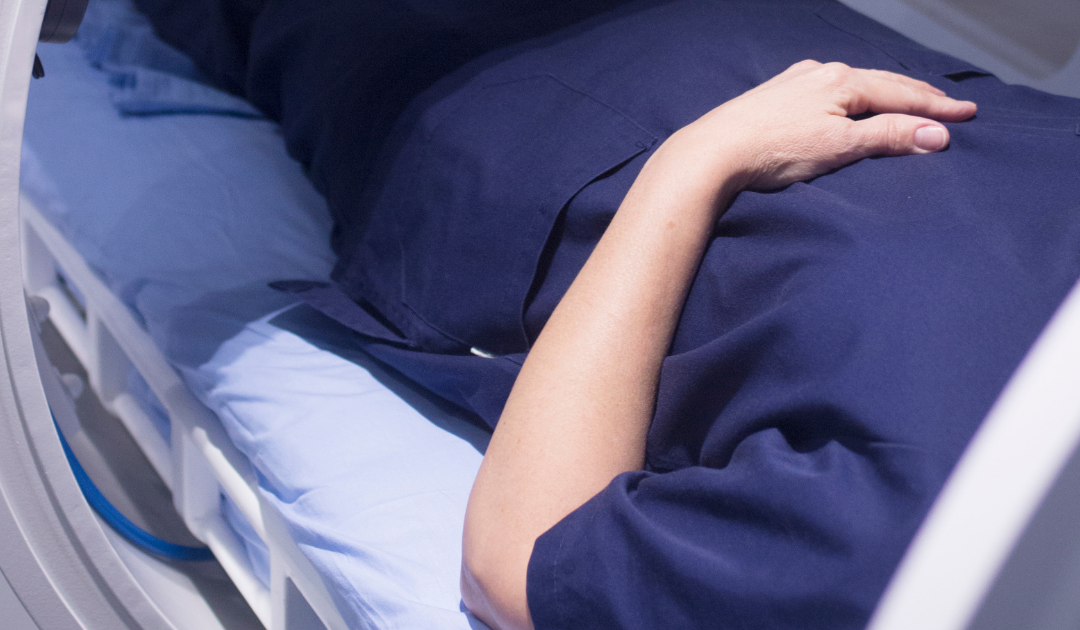
During hyperbaric chamber treatment, atmospheric pressure inside a specialized chamber is increased above normal pressure. The patient breathes oxygen while being monitored according to the treatment protocol.
Under these conditions, oxygen availability in the body increases beyond what can ordinarily be achieved by breathing air at normal atmospheric pressure. This can be particularly valuable when blood flow, wound condition, tissue damage, infection, radiation injury, or another problem interferes with normal oxygen delivery.
HBOT should not be confused with a general wellness oxygen session. Medical hyperbaric oxygen therapy uses controlled pressure and treatment protocols designed around a patient’s condition and clinical goals. For patients seeking a hyperbaric chamber in Clark County, appropriate evaluation is more important than simply choosing treatment based on claims of faster healing.
1. Hyperbaric Chamber Treatment Can Increase Oxygen Availability to Healing Tissues
One of the most important benefits of HBOT is increased tissue oxygen availability. Oxygen is essential to many aspects of recovery. Healing tissues rely on oxygen for cellular activity, collagen formation, immune defense, and processes involved in developing new blood vessels.
After surgery or trauma, however, swelling and tissue damage may interfere with local circulation. Certain medical conditions can make oxygen delivery even more challenging.
By increasing the amount of dissolved oxygen available in the bloodstream, hyperbaric chamber therapy can help deliver oxygen to areas where healing may be impaired. This does not mean HBOT automatically makes every injury or surgical incision heal rapidly. Its value is greatest when a defined tissue-healing or oxygenation problem is present.
For local patients researching tissue oxygenation after surgery, hyperbaric oxygen therapy for recovery, or hyperbaric chamber treatment in Clark County, this mechanism is central to understanding how the treatment works.
2. HBOT May Support Selected Difficult and Nonhealing Wounds
Wound care is one of the most important areas of hyperbaric medicine. Certain wounds struggle to heal because of poor blood flow, diabetes, infection, previous radiation exposure, tissue damage, or other factors. The Undersea and Hyperbaric Medical Society recognizes HBOT for enhancement of healing in selected problem wounds, as well as several other wound-related conditions.
That makes hyperbaric oxygen therapy for wound healing particularly relevant for patients dealing with difficult wounds rather than uncomplicated cuts or surgical incisions.
A comprehensive wound plan may still include debridement, infection treatment, pressure reduction, vascular evaluation, nutritional support, diabetes management, dressings, surgery, or other interventions. Hyperbaric chamber treatment functions as an addition to appropriate wound care, not a replacement for it.
For patients searching for advanced wound care in Las Vegas or wound recovery options throughout Clark County, understanding that distinction helps create realistic expectations.
3. Hyperbaric Chamber Therapy May Support Post-Surgical Recovery
Interest in hyperbaric oxygen therapy after surgery continues to grow. Patients recovering from reconstructive, orthopedic, trauma-related, vascular, dental, oral, general, and cosmetic procedures increasingly ask whether HBOT could complement their postoperative care. Potential benefits depend on the individual clinical situation. For example, HBOT may become more relevant when wound healing is delayed, tissue perfusion is poor, a graft or flap is threatened, or tissue has been previously damaged by radiation. Normal postoperative recovery still requires appropriate incision care, nutrition, hydration, movement, medications, rehabilitation when prescribed, and follow-up with the medical team.
4. Compromised Grafts and Flaps Are an Important Established Application
One of the clearest surgical applications of HBOT involves compromised grafts and flaps. These techniques are used in reconstructive procedures, trauma treatment, cancer reconstruction, wound closure, and some cosmetic operations. Their success depends heavily on blood flow and oxygen delivery.
The Undersea and Hyperbaric Medical Society specifically notes that HBOT is not necessary for a normal, healthy graft or flap. When a graft or flap becomes compromised because of decreased perfusion, hypoxia, radiation damage, or related problems, however, HBOT may help maximize tissue viability.
This distinction matters for people looking for hyperbaric chamber treatment after reconstructive surgery. HBOT has a much stronger clinical rationale when tissue is threatened than when an uncomplicated surgical area is already healing normally. Changes such as darkening tissue, increasing pain, unusual coolness, wound separation, or other concerning postoperative symptoms require prompt medical assessment.
5. Hyperbaric Oxygen Therapy Is Being Studied for Cosmetic Surgery Recovery
Another growing area is hyperbaric chamber therapy after cosmetic surgery. Patients recovering from tummy tuck, liposuction, breast surgery, facelift, mommy makeover, rhinoplasty, and body contouring often search for ways to support healing, reduce downtime, and manage postoperative swelling.
A 2025 systematic review and analysis examined 11 studies involving 734 aesthetic surgery patients, including 416 who received HBOT. Researchers reported encouraging postoperative outcomes, but they also found substantial variation in treatment protocols and emphasized the need for stronger standardized research.
A newer 2026 systematic review covering 1,281 plastic surgery patients also found promising applications across wounds, grafts, flaps, infections, and tissue injuries. However, high variation among the studies limited how confidently the results could be generalized.
6. HBOT May Help Address Swelling in Selected Recovery Situations
Swelling is a normal part of many healing processes, but excessive edema can sometimes become problematic. HBOT causes physiological changes that can influence edema while increasing oxygen availability. This is one reason hyperbaric oxygen therapy is used in conditions involving acute traumatic ischemia, burns, and other significant tissue injuries.
Patients often ask whether hyperbaric chamber treatment reduces swelling after surgery. It may help manage edema in selected situations, but normal postoperative swelling should not automatically be treated as a reason for HBOT.
Swelling that is sudden, severe, rapidly worsening, associated with significant pain, redness, shortness of breath, fever, or other concerning symptoms should be assessed medically rather than managed solely as a recovery issue.
7. Hyperbaric Chamber Treatment Can Support Recovery From Radiation Tissue Injury
Radiation therapy can damage blood vessels and tissues long after cancer treatment has been completed. In some patients, this can lead to delayed radiation injury involving soft tissue or bone.
Hyperbaric chamber treatment is an established adjunctive treatment option for certain types of delayed radiation injury that can develop months or years after radiation therapy. These injuries may affect bone or soft tissue when previously irradiated areas experience reduced blood supply, impaired healing, or progressive tissue damage.
The Centers for Medicare & Medicaid Services (CMS) recognizes hyperbaric oxygen therapy as an adjunct to conventional treatment for osteoradionecrosis and soft-tissue radionecrosis, two forms of radiation-related tissue injury.
Clinical evidence has also been evaluated independently by the Cochrane Collaboration. A 2023 Cochrane systematic review found that hyperbaric oxygen therapy may improve outcomes in selected patients with late radiation tissue injury, particularly involving bone and soft tissues of the head and neck, bladder, and lower bowel. The review also found evidence that HBOT may reduce wound breakdown and provide modest improvements in pain for some patients, although researchers emphasized that additional high-quality studies are needed to determine which patients benefit most.
During hyperbaric chamber therapy, patients breathe oxygen in a pressurized environment designed to increase oxygen availability to tissues. For patients with radiation-related tissue damage, hyperbaric chamber treatment may be considered as part of a broader medical treatment plan to support tissue healing and help repair radiation injury after cancer treatment. This application may become especially relevant before or after reconstructive procedures performed in previously irradiated tissue.
Patients throughout Clark County and Las Vegas who have undergone cancer treatment and later develop tissue-healing complications should be evaluated individually because radiation injury often requires multidisciplinary care.
8. Hyperbaric Therapy Has Applications Beyond Routine Surgical Recovery
The benefits of hyperbaric chamber treatment are not limited to surgery. Recognized applications include selected problem wounds, acute traumatic ischemia, severe anemia in particular circumstances, necrotizing soft-tissue infections, refractory osteomyelitis, delayed radiation injury, compromised grafts and flaps, acute thermal burns, sudden sensorineural hearing loss, decompression sickness, air or gas embolism, and carbon monoxide poisoning.
Patients may also encounter claims involving chronic fatigue, neurological disorders, musculoskeletal recovery, healthy aging, autoimmune conditions, fertility, or other wellness applications. Evidence for these uses varies considerably, and many are not established indications. A responsible hyperbaric program should make it clear whether a proposed treatment is established, adjunctive, off-label, or investigational.
What Happens During a Hyperbaric Chamber Session?
Patients receiving HBOT enter a specialized chamber and remain there while the pressure is gradually increased according to the treatment protocol. The length and number of sessions vary according to the condition being treated. A person receiving HBOT for a complex wound may have a different schedule from someone using treatment as part of a carefully selected postoperative recovery plan.
There is no single number of sessions that is right for everyone. Hyperbaric chamber treatment should be individualized according to medical history, diagnosis, wound status, treatment goals, and response.
Is Hyperbaric Chamber Treatment Safe?
Hyperbaric oxygen therapy is generally delivered in a controlled clinical environment, but it is not risk-free. Possible complications can include ear or sinus pressure injuries, temporary vision changes, claustrophobia, blood sugar changes in some patients with diabetes, and less commonly oxygen-related seizures or lung complications.
Safety procedures are particularly important because oxygen-rich environments increase fire risk. In August 2025, the FDA reminded healthcare providers to follow equipment instructions, maintain staff training, properly monitor patients, follow maintenance schedules, and enforce appropriate fire-prevention precautions with HBOT devices.
When comparing hyperbaric chamber therapy in Clark County, patients should consider clinical screening, monitoring, staff training, chamber safety, and treatment protocols rather than choosing a provider solely based on convenience or promotional claims.
Hyperbaric Chamber Treatment Across Clark County
Clark County includes a large and diverse population seeking recovery services for surgery, wounds, injuries, and other medical needs. For residents in Las Vegas and surrounding Clark County communities, local access to hyperbaric oxygen therapy can make coordinating treatment with ongoing medical care more practical.
Frequently Asked Questions About Hyperbaric Chamber Therapy in Clark County
What are the biggest benefits of hyperbaric chamber treatment?
The most relevant benefits involve increasing oxygen availability to tissues and supporting selected conditions involving difficult wounds, compromised tissue, radiation injury, severe infections, traumatic ischemia, burns, and other recognized indications.
Can HBOT help after surgery?
It may. Hyperbaric oxygen therapy after surgery may be considered when wound healing, tissue oxygenation, compromised tissue, or another specific clinical concern is present. It is not routinely required after every operation.
Can hyperbaric chamber therapy help after cosmetic surgery?
Research is increasingly examining HBOT after tummy tuck, breast surgery, facelift, liposuction, and other aesthetic procedures. Current evidence is promising, but hyperbaric chamber treatment should not be promoted as a guaranteed way to achieve faster healing.
Does hyperbaric chamber treatment replace normal wound care?
No. HBOT complements appropriate medical and surgical care. It does not replace wound management, infection treatment, rehabilitation, nutrition, medications, or medical follow-up.
Choosing Hyperbaric Chamber Treatment for Recovery in Clark County
The growing interest in hyperbaric chamber treatment for recovery in Clark County reflects a larger shift toward more personalized and comprehensive healing strategies. Patients want to understand not only how to treat a medical condition, but also how oxygen delivery, wound care, circulation, nutrition, movement, and advanced therapies can work together.
For appropriately selected patients, HBOT can be a valuable component of that strategy. Its strongest role is not as a universal shortcut to faster healing, but as a targeted therapy that may support tissues and wounds when oxygen delivery, circulation, infection, injury, or tissue viability creates a meaningful recovery challenge.
Patients considering a hyperbaric chamber in Las Vegas or Clark County should seek an individualized evaluation that considers their diagnosis, surgical history, wound condition, medications, health risks, and treatment goals. The best results come from combining hyperbaric chamber therapy with the rest of the medical care needed for safe, coordinated, and realistic recovery.
Top Benefits of Hyperbaric Chamber Treatment for Recovery in Clark County
The strategy builds on the project’s existing priority terms, including hyperbaric chamber therapy Las Vegas, hyperbaric chamber Las Vegas, benefits of hyperbaric chamber therapy after surgery, wound healing, and Clark County local targeting. The project knowledge base also identifies hyperbaric chamber treatment as a recovery-focused service connected to post-surgical healing and wound care.